







Search Results for: Strong Tea Standards
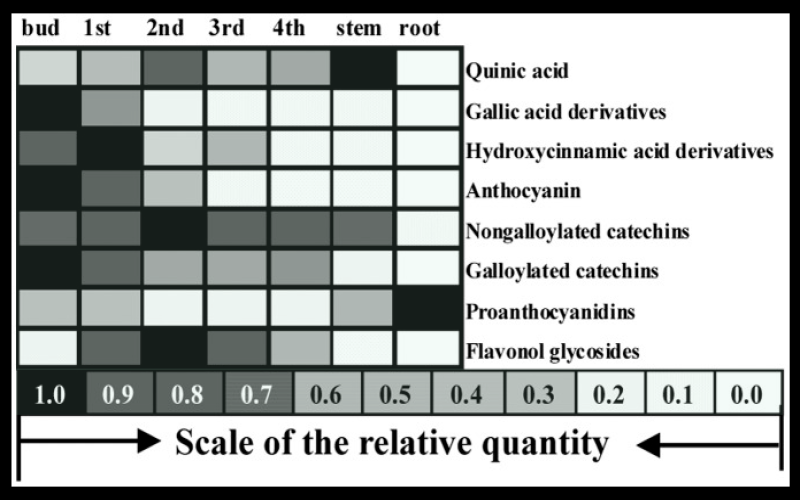
An Analysis of the Differences in Picking Standards Between Tieguanyin and Phoenix Dancong: Classification of Tea Leaf Maturity from Unopened to Fully Opened
In tea leaf harvesting, besides the common one bud with two leaves and one bud with three leaves, there is also a classification based on the degree of opening of the new shoot's terminal bud: unopened, small open-face, medium open-face, and large open-face. The purpose of open-face picking is to enrich the tea's internal substances, thereby improving the quality of the finished tea. Different degrees of opening correspond to different levels of maturity, affecting the difficulty of leaf processing and the flavor of the finished tea: older leaves are easier to process, with a mellow taste and high aroma; tender leaves are harder to process, prone to a bitter aftertaste but with a strong flavor and good durability for multiple infusions. Oolong teas such as Phoenix Dan Cong and Tieguanyin have their own preferences for open-face standards, and high-quality black tea raw materials often use open-face leaves as well. In this article, Front Street Coffee combines changes in tea chemical composition to clarify for you the differences in picking standards between Tieguanyin and Phoenix Dan Cong. [more…]
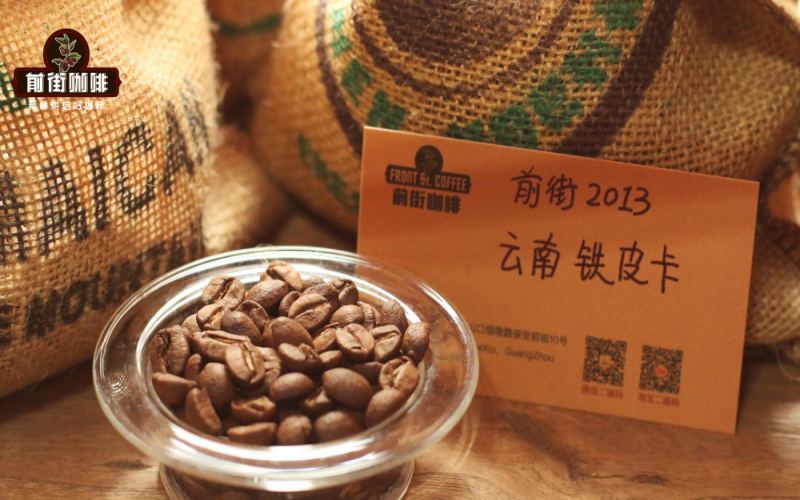
Which Yunnan coffee brand is worth drinking? Small-bean grading standards and a flavor comparison of Typica vs. Catimor
Yunnan coffee has long been famous, but with so many producing regions and a bewildering array of brands, which one is actually worth drinking? This article starts from the two varieties of Yunnan Typica and Catimor sold by Front Street Coffee, traces the evolution of Yunnan coffee varieties, explains international and domestic grading standards in detail, and introduces the regional characteristics of the four major producing areas: Pu'er, Baoshan, Dehong, and Lincang. It also shares Front Street's planting philosophy at its own estate in Lincang, the process details of the natural sun-dried method, and the specific brewing parameters and flavor performance of the sun-dried Typica, helping coffee lovers gain a comprehensive understanding of the current state and quality potential of Yunnan Arabica coffee. [more…]

Hygiene issues at Xi'an Heytea stores spark heated discussion; official response: store has been closed for rectification and operational training strengthened
Recently, a Heytea store in Xi'an Joy City was exposed by consumers for poor hygiene conditions in its preparation area, quickly sparking heated discussion online. According to the whistleblower, the store's counter, refrigerators, juicers, and other equipment were covered in milk tea stains, materials were scattered around, and there was even a strong smell of sour rags and rotten fruit. Upon verification, the store was a directly operated location rather than a franchise, which further raised public doubts about Heytea's food safety management. Heytea later issued an apology and announced that the store would be closed for rectification, while also strengthening employee training and optimizing operational standards. This incident has once again pushed the issue of hygiene control in chain tea beverage brands into the spotlight and serves as a reminder for consumers to pay attention to the transparency of beverage preparation environments. [more…]
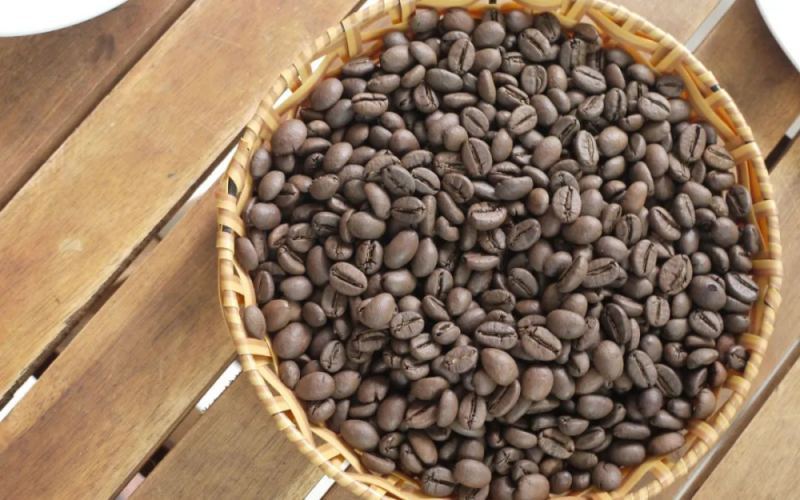
The Specialty Coffee World Reexamines Robusta: Can High-Altitude Cultivation and Anaerobic Processing Rewrite Entrenched Impressions?
For a long time, Robusta coffee beans have been largely neglected in the specialty coffee world, often associated with low altitudes, extensive farming, and bitter flavors. However, over the past two years, this situation has been quietly changing. From a World Barista Championship competitor using high-altitude Vietnamese Robusta blended with Geisha to place fourth, to more and more specialty coffee shops incorporating it into espresso blends or even launching single-origin anaerobic natural products, Robusta is returning to the industry's spotlight with a brand-new image. Climate change poses severe challenges to Arabica cultivation, while Robusta, with its strong environmental adaptability—combined with producers cultivating and processing it to specialty Arabica standards—reveals surprising flavor layers such as barley tea, nuts, caramel, and even fermented fruit notes on a base of high body and low acidity. This article will explore in depth the reasons behind this trend, the details of processing methods, and whether Robusta can truly shed its old label and win renewed recognition from coffee enthusiasts. [more…]
The Origin and Variety Evolution of Yunnan Small-Bean Coffee, and the Proper Brewing Method for Sun-Dried Typica
Yunnan coffee has long since entered the public eye, but with so many growing regions and a bewildering array of brands, which Yunnan coffees are actually worth trying? This article takes a systematic look at the development of Yunnan arabica — from the shifting of varieties and the distribution of growing regions to grading standards and brewing details. You'll learn about the origins of Typica and Catimor, the terroir differences among Yunnan's major growing regions, and Front Street Coffee's cultivation practices in Lincang. The article also shares in detail the brewing parameters and flavor profile of Front Street's sun-dried Typica, helping you brew a balanced, sweet, no-waste cup of Yunnan specialty coffee at home. [more…]
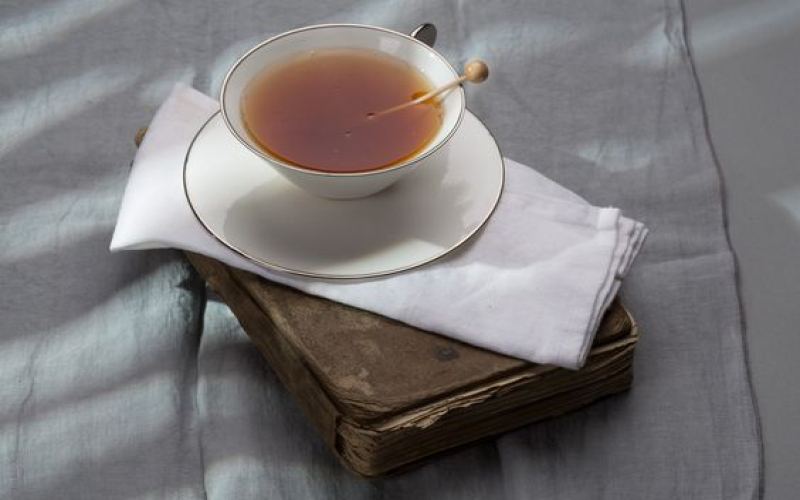
A Comprehensive Analysis of China's Premium Black Tea Categories: Authentic Top-Tier Black Tea Brands and the Way of Natural Cultivation
China is the birthplace of black tea and boasts many high-quality black teas. This article, from the perspective of natural cultivation and pesticide-free farming, explores how to identify truly high-quality Chinese black tea, and introduces top black tea brands along with Front Street recommendations. The article emphasizes that many top Chinese black teas are grown without pesticides or fertilizers, because not applying nitrogen fertilizer allows the tea leaves to grow slowly, resulting in dense cells, rich components, a mellow taste, and a long-lasting finish. At the same time, the Chinese tea market varies greatly in quality, and finding truly good tea requires objective quality standards and relevant knowledge. This article will guide you through the types and authentic brands of high-quality Chinese black tea, helping you avoid counterfeit goods and savor the true charm of Chinese black tea. [more…]
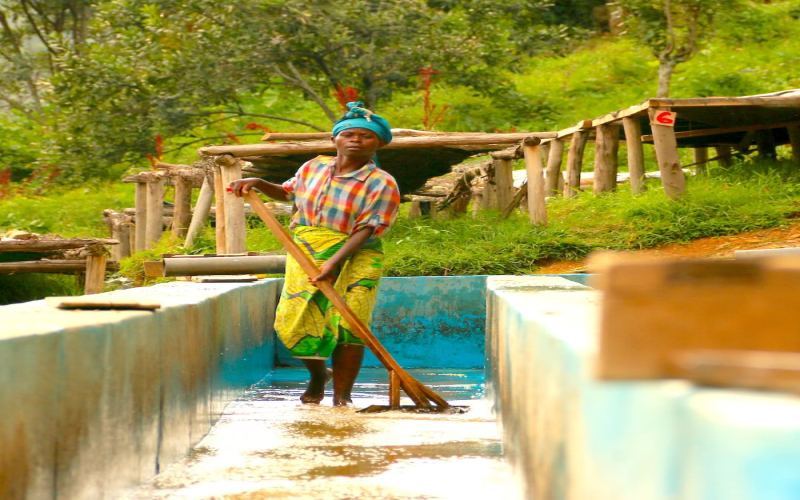
A Comprehensive Analysis of Rwanda's Coffee Bean Grading System and Altitude Standards for Cultivation: From Bourbon Variety to Washed Processing
Among African coffee-producing countries, Kenya is famous for its intense fruity acidity, while Rwanda displays another style—a more balanced mouthfeel, accompanied by fruity sweetness, floral notes, and a black tea finish. Front Street Coffee recently acquired several Rwandan beans for roasting and cupping, and found their flavor falls between Kenya and Central America, clean and solid. This article will comprehensively examine the coffee industry landscape of this "Land of a Thousand Hills," from Rwanda's growing environment, main producing regions, variety composition, washed processing techniques, to its grading system, and analyze the specific classification standards for AA, SC, TT, and other grades. [more…]

Tanzania Kilimanjaro Coffee Bean Varieties, Grading, and Bourbon Washed AA Flavor Analysis
In the landscape of African specialty coffee, Tanzania's Kilimanjaro region occupies a position that cannot be overlooked. The coffee beans produced here carry a distinct cacao fruit aroma and intense mellow sweetness, earning them the title of "coffee gentleman" among European connoisseurs, and together with Blue Mountain and Mocha they are known as the "Three Musketeers of Coffee." The Kilimanjaro AA-grade coffee beans introduced by Front Street Coffee originate from the northern highlands nourished by volcanic ash, of the Bourbon variety, processed using the washed method, presenting a flavor interwoven with citrus, berries, honey, and tea notes. This article will approach from three major dimensions—variety origin, processing method, and grading standards—to systematically sort out the flavor formation of this coffee, and will also include Front Street's recommended pour-over parameters and brewing techniques, helping coffee enthusiasts gain a comprehensive understanding of the unique charm of Tanzanian coffee. [more…]
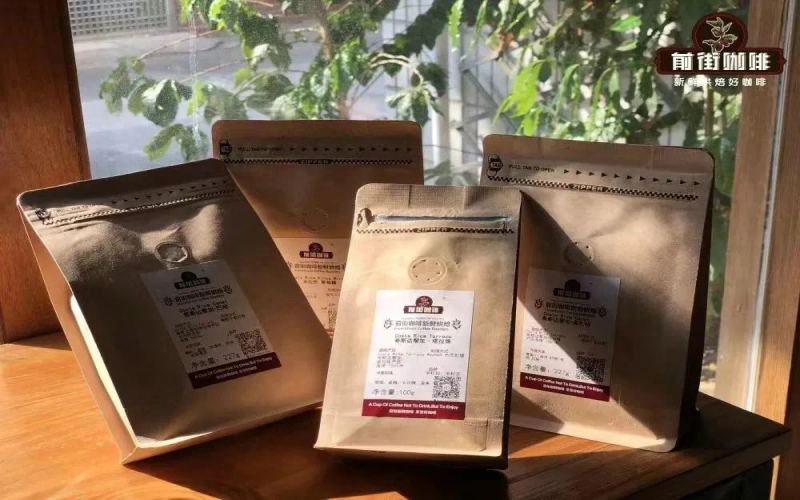
The Flavor Standards and Correct Brewing Methods for Mandheling Coffee: A Complete Analysis from Roasting and Grades to Pour-Over Parameters
What kind of mouthfeel should Mandheling coffee present? Rich nutty, dark chocolate, and caramel-cream-like full body are the classic flavors it should have. This article begins with the reason why Front Street Mandheling is medium-dark roasted, analyzes how the Sumatra wet-hulled process shapes its unique herbal and woody aroma, and why the resulting high defect rate requires deep roasting to mask. It also explains in detail the PWN brand certification and G1 grade classification standards of Golden Mandheling, and addresses a common question among pour-over enthusiasts—why does it come out only bitter and burnt—by giving professional parameter suggestions from Front Street Coffee baristas, including KONO dripper selection, grind size adjustment, 87–88°C water temperature control, and a three-pour technique, to help you brew a cup of full-bodied Mandheling with both caramel sweetness and chocolate-nutty flavors. [more…]
Tanzania Kilimanjaro AA Coffee Bean Flavor Analysis and Pour-Over Parameters: Bourbon Variety, Washed Processing, and Grading Standards
Among African coffee-producing countries, Tanzania's Kilimanjaro region is often praised by seasoned enthusiasts. This Front Street Coffee Tanzania Kilimanjaro AA coffee bean comes from the volcanic ash soil around Africa's highest peak, is of the Bourbon variety, and is washed-processed, with a cup profile of citrus, berries, honey, and tea notes. In this article, Front Street Coffee will break down the flavor origins of this bean across four dimensions—growing conditions, variety heritage, processing method, and the AA grading standard—and include the complete parameters and brewing log for a segmented V60 pour-over, so readers can replicate it for comparison. [more…]
The Origin of the Name "Yunnan Small-Bean Coffee" and an Analysis of Typica and Bourbon Varieties: Can Yunnan Beans Be Considered Specialty Coffee?
Yunnan coffee is already widely known within China, but plenty of questions still surround it: Why is it called "Yunnan small bean"? Does it really count as specialty coffee? And what exactly is the relationship between Typica and Catimor? This article begins with the evolution of varieties, tracing Yunnan coffee's planting transition from Typica to Catimor, introduces Yunnan's main producing regions and grading standards, and combines Front Street Coffee's cultivation practices in Yunnan with brewing suggestions for its sun-dried Typica, helping readers gain a more systematic understanding of Yunnan beans' flavor positioning and quality potential. [more…]
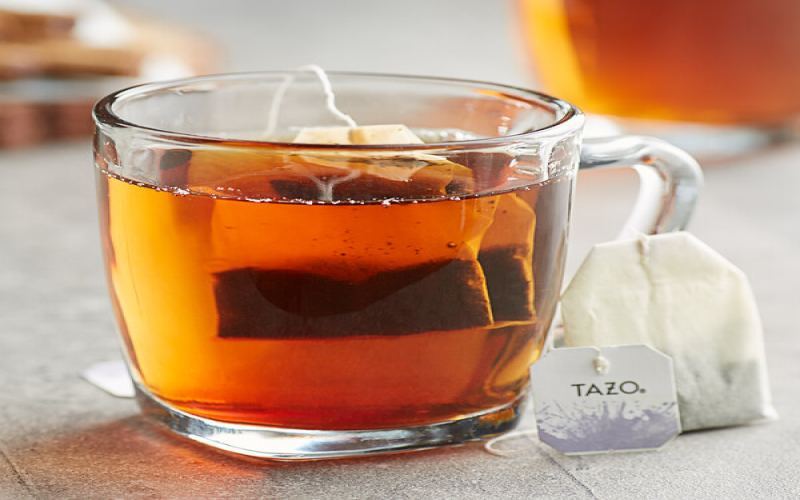
Common Misconceptions About Brewing Black Tea: Strong Tea Is Not the Same as Long Steeping—Get the Leaf-to-Water Ratio Right to Enjoy Great Flavor
Many people think that the longer tea is steeped, the stronger it becomes, but what they end up with is a bitter, undrinkable cup of tea. A truly strong cup of tea should be achieved by increasing the amount of tea leaves used, not by endlessly extending the steeping time. Starting from the definition of strong tea, this article explains why prolonged steeping makes tea bitter, the role that tannins play in this process, and offers reasonable leaf-to-water recommendations for both weak and strong tea. If you are also in the habit of steeping a small pinch of tea leaves for over ten minutes, it may be worth considering a more scientific approach to brewing. Front Street Coffee also suggests that for a cup of strong yet smooth black tea, adjusting the amount of tea is more effective than adjusting the time. [more…]
Front Street Yirgacheffe Natural Bean Flavor, Estate Origin, Processing Method, and Grind Size Full Analysis
Yirgacheffe is one of Ethiopia's most representative specialty coffee regions, and its processing methods have undergone multiple transformations from washed to natural. This article will guide you through Yirgacheffe's flavor characteristics, estate and regional background, the historical evolution of washed and natural processing methods, as well as the rigorous selection standards and unique flavors of Front Street Coffee's natural Yirgacheffe beans. From the first attempt at washed processing in 1959, to the strong return of the natural method in 2006, and then to Front Street's natural Yirgacheffe reaching G1 grade in 2015, the article provides a detailed overview of this region's journey of quality advancement. Whether you prefer jasmine floral notes and citrus tones, or are captivated by the strawberry, peach, and red wine nuances brought by natural processing, you will find something to resonate with. [more…]
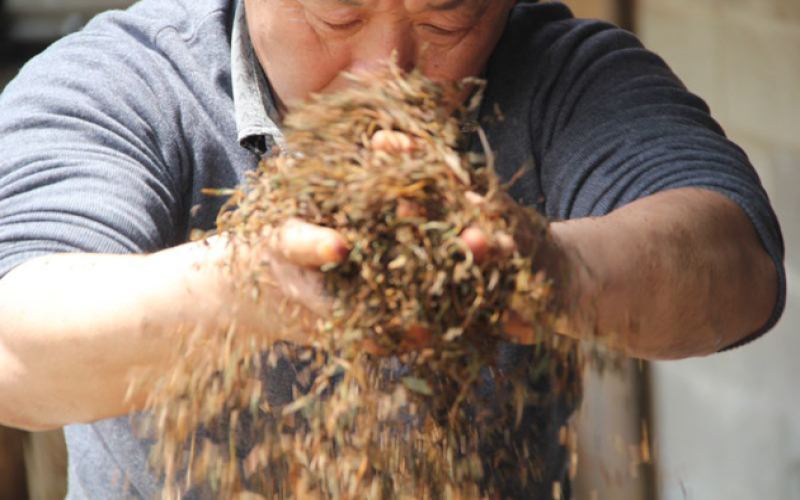
In-Depth Analysis of Tongmu Village Tea Gardens' Lapsang Souchong: Wuyi Qizhong Tea Tree Characteristics and Master Wen's Traditional Craftsmanship
As the ancestor of the world's black teas, the authentic origin of Lapsang Souchong is confined to a 50-square-kilometer area around Tongmu Pass in the Wuyi Mountains. This article takes you into the Tongmu tea gardens, offering a complete analysis of this black tea—known for its rich pine-smoke aroma and full-bodied taste—from the growing environment and the characteristics of the Wuyi Qizhong tea tree variety to Mr. Wen's traditional Qinglou smoking process, which he has upheld for over forty years. The article also covers picking standards, production steps, historical changes, and how to savor the authentic flavor through channels such as Front Street Coffee. Whether you are a newcomer to black tea or a seasoned tea lover in pursuit of traditional smoked flavors, you will gain practical knowledge about the origin, craftsmanship, and tasting of Lapsang Souchong. [more…]

Milk tea shop "Black Coconut Strawberry Milk" investigated for illegal use of vegetable carbon black, food safety concerns resurface
In recent years, dark-themed beverages marketed for their "black" appeal have proliferated in the food and beverage market, attracting many curious consumers with their unique appearance. However, such products may harbor food safety risks. Recently, the Market Supervision Bureau of Xuhui District, Shanghai, discovered during an inspection of a milk tea shop that its "Black Coconut Strawberry Milk" was unusually dark black in color. An investigation confirmed that the staff had illegally added "vegetable carbon black" during preparation. This act violated food additive usage standards, and the shop was ordered to rectify the issue and was penalized. Notably, the brand involved is none other than "Benz Tea," which went viral last year, with its first Hangzhou store setting a record of thousands queuing and scalpers reselling cups for as much as 300 yuan. This incident once again reminds us that creative beverages must also strictly adhere to safety bottom lines. [more…]
The Past and Present of Yunnan Small-Bean Coffee: A Complete Analysis of Its Cultivation Origins, Variety Flavors, and Producing Regions
Yunnan is China's largest coffee-producing region, accounting for more than 80% of the national output. Its Arabica coffee is renowned for being rich but not bitter, aromatic but not overpowering, with a slight fruity note. This article traces the century-long history of Yunnan coffee from its introduction by French missionaries in 1892 to the present, analyzes international and domestic grading standards, introduces the terroir conditions of the three major producing regions—Pu'er, Lincang, and Baoshan—and explains in detail the flavor differences between the washed processing method and varieties such as Typica, Bourbon, and Catimor. The article also documents Front Street Coffee's own planting projects in Yunnan and their latest progress, providing coffee enthusiasts with a complete knowledge map of Yunnan coffee. [more…]

Luckin Coffee's hygiene inspection standards spark heated debate: employees complain about strict details, how difficult is it to clean the work area?
Luckin Coffee is known for its tidy stores, but recently many employees have spoken out on social media, reporting that quality control inspection standards are overly meticulous, with strict deductions even for hard-to-reach corners such as pipes along walls and dust on chandeliers. From rusted screws on paper towel dispensers to loose threads on aprons, the tediousness of the inspection items has sparked complaints from workers, who bluntly say they are expected to "clean the prep area like an operating room." This article will sort out the focal points of the controversy over Luckin's hygiene inspections, explore whether, under existing store decoration conditions, the requirement of spotlessness is realistic, and present employees' complex attitudes toward food hygiene inspections. [more…]
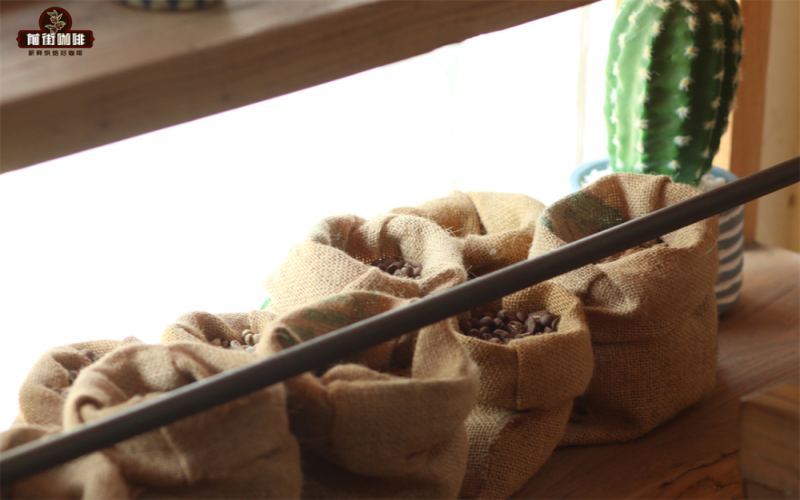
A Comprehensive Analysis of Yunnan Coffee Beans' Flavor, Taste, and Cultivated Varieties: From Typica to Catimor, the Terroir of the Origin
Yunnan, as China's core coffee-producing region, has always attracted attention for the flavor and varietal characteristics of its coffee beans. Starting from its historical origins, this article systematically reviews the main cultivated varieties of Yunnan coffee—Typica, Catimor, and Bourbon—including their respective flavor profiles and cultivation characteristics, and introduces international and domestic grading standards, the growth cycle, and brewing suggestions. In addition, the article also features the cultivation experience and cupping feedback from Front Street Coffee's own estate in Lincang, Yunnan, helping coffee enthusiasts gain a comprehensive understanding of Yunnan coffee from seed to cup. [more…]
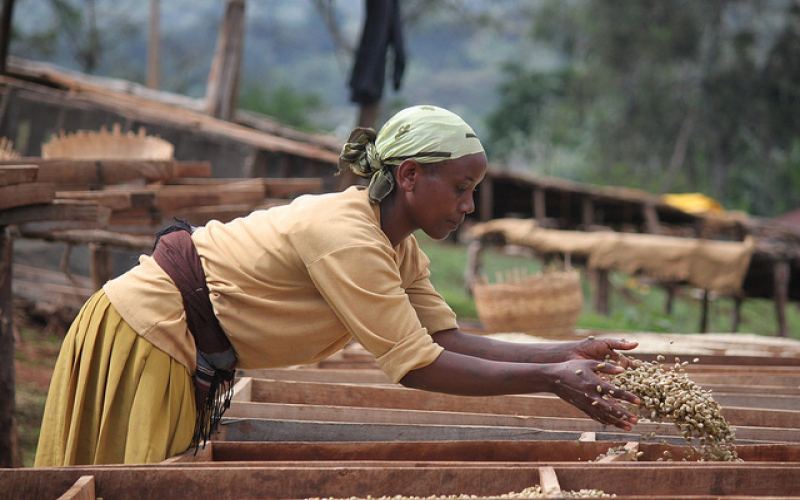
A Complete Guide to Yirgacheffe Coffee Beans: Grading Standards, Heirloom Varieties, and Pour-Over Flavor Guide
Yirgacheffe is one of Ethiopia's most representative specialty coffee regions, renowned worldwide for the bright acidity of citrus and lemon and the aroma of jasmine. This article will provide a comprehensive overview of the core knowledge of Yirgacheffe coffee beans, from the region's origins, terroir conditions, the native Heirloom variety, and the washed processing method, to the grading system of the Ethiopian Commodity Exchange (ECX). At the same time, the flavor profiles and pour-over parameters of several Yirgacheffe cooperative coffee beans from Front Street Coffee will also be presented, offering coffee enthusiasts a complete reference for purchasing and brewing. [more…]
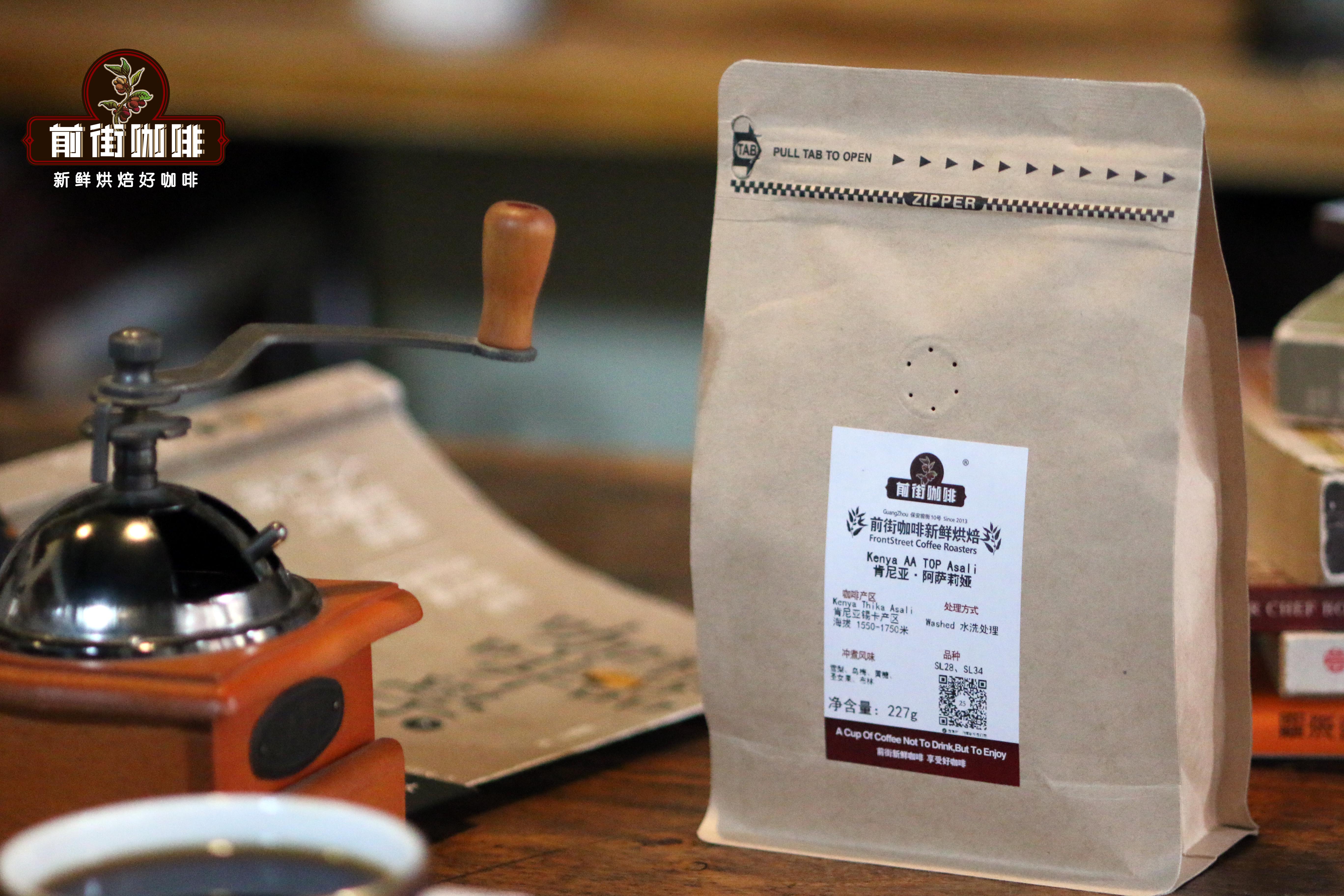
Kenya AA Coffee Bean Grading Standards Explained: A Full Analysis of Thika Region Flavor, K72 Washing, and SL28/SL34 Varieties
Kenya AA is the highest grade in Kenya's coffee classification system, renowned for its plump beans and bright flavor. Starting from the grading logic of Kenyan green beans, this article provides an in-depth analysis of the cultivation history and terroir characteristics of the Thika producing region, explains how the classic Kenyan-style 72-hour double fermentation washed process (K72) operates, and focuses on the two varieties, SL28 and SL34, which account for ninety percent of Kenya's high-quality coffee production. The article also combines Front Street Coffee's Front Street Kenya Asalia coffee beans to recreate its light roast approach and V60 three-pour brewing parameters, presenting the typical Kenyan flavor profile of black plum, smoked plum, apricot, and black tea aftertaste. [more…]